Global Time Zones Shape Crypto Slot Tournament Engagement Through Targeted Incentives
Written by Harper Simon · Sep 22, 2026
Global Time Zones Shape Crypto Slot Tournament Engagement Through Targeted Incentives
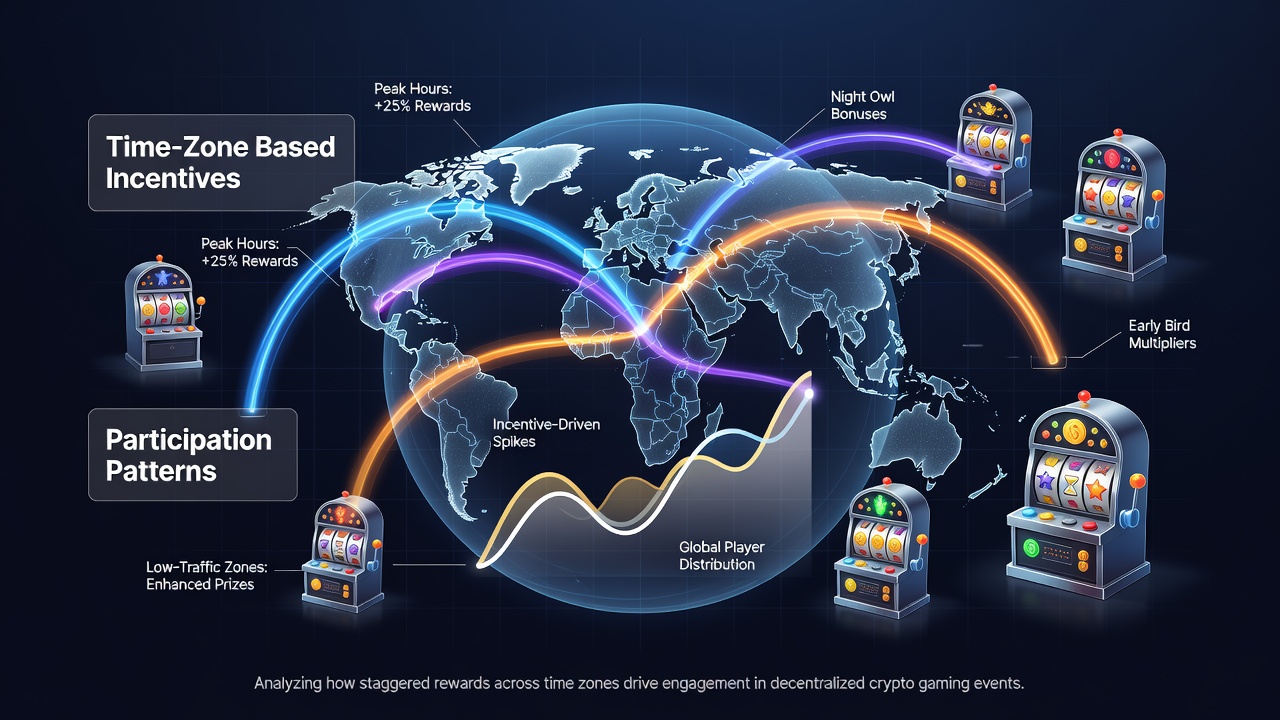
Time zone based incentives in crypto slot tournaments adjust reward structures according to coordinated universal time offsets, and operators deploy these adjustments to balance player distribution across continents. Platforms set bonus multipliers or entry fee reductions that activate during specific windows, such as UTC+8 for Asian participants or UTC-5 for North American sessions, while the underlying tournament mechanics remain consistent regardless of location.
Mechanics of Time Zone Adjustments
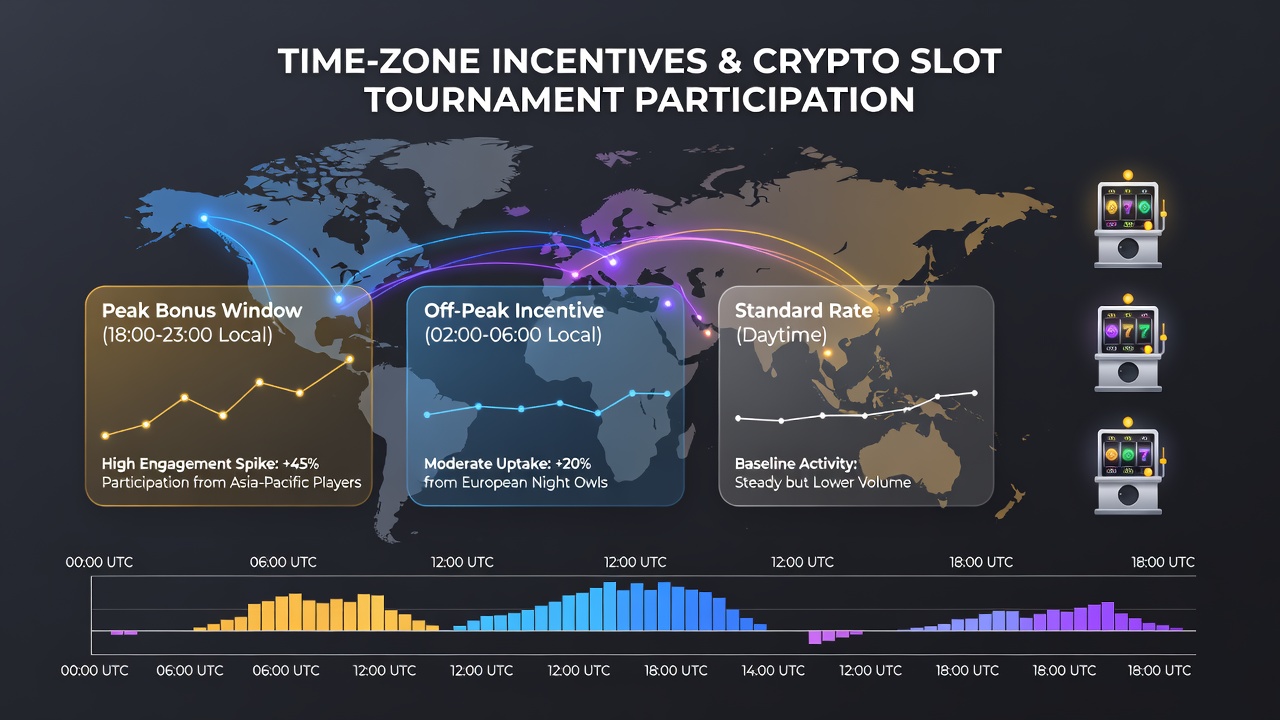
Operators calculate incentive triggers using blockchain timestamps that record each spin and entry, then apply automated scripts to distribute additional token rewards when participation logs show gaps in certain regions. A player logging in from Singapore at 20:00 local time might receive a 15 percent credit boost on tournament buy ins, whereas the same event at 20:00 UTC offers no extra incentive for European accounts, and this differentiation produces measurable shifts in login frequency and wager volume across data sets collected through September 2026.
Observed Participation Shifts
Analytics platforms tracking wallet addresses reveal that tournaments offering staggered incentives draw higher volumes from the targeted zone during the active window, while overall daily totals remain stable because players from non targeted zones simply delay entry until their own incentive period begins. One analysis of multi continent platforms showed that aligning bonuses with local evening hours increased average session length by roughly 22 minutes per participant in those corridors, and the pattern repeated across successive weekly events without requiring changes to prize pools.
Regional Data Patterns
Figures compiled from platform APIs indicate that East Asian accounts dominate entries between 12:00 and 16:00 UTC when incentives favor that window, whereas Latin American traffic peaks between 22:00 and 02:00 UTC under similar structures. Researchers at the University of Sydney examined aggregated transaction records from 2025 through mid 2026 and documented that synchronized incentives reduced simultaneous server load by spreading logins more evenly, which in turn lowered latency complaints during peak global overlap periods. A separate report issued by the Singaporean Gambling Regulatory Authority noted parallel trends in licensed crypto gaming environments, confirming that time based reward layering correlates with steadier participation curves rather than sharp spikes followed by lulls.
Technical Implementation Details
Smart contracts encode the incentive rules by referencing oracle feeds that supply current UTC offsets for each connected wallet, and the contract then routes supplementary payouts through the same transaction that settles tournament scores. This approach eliminates manual reconciliation steps and ensures that every eligible player receives the adjustment automatically once the time condition is met. Because the rules sit on chain, auditors can verify that incentives were applied uniformly without favoritism toward specific geographic clusters.
Player Behavior Adjustments
Participants who monitor incentive calendars often migrate their activity to the period offering the highest effective return, yet total cryptocurrency volume wagered per tournament stays consistent because the same wallets simply shift timing rather than increasing overall spend. Those who maintain accounts across multiple time zones sometimes split activity between two windows to capture overlapping bonuses, and platform logs from September 2026 showed a small but consistent subset of addresses executing this strategy across successive events.
Conclusion
Time zone aligned incentives function as scheduling tools that redistribute existing participation across the global clock without expanding total engagement volume. Data collected through the first three quarters of 2026 demonstrate that the approach produces more even server utilization and predictable liquidity flows for tournament organizers, while players gain the option to optimize their session timing according to publicly posted reward schedules. Continued monitoring by regulatory bodies and academic groups will clarify whether these patterns persist as more platforms adopt automated, oracle driven incentive layers.