Statistical Trends in Personalized Mobile Slot Rewards Across Blockchain Networks
Written by Sam Keller · Oct 6, 2026
Statistical Trends in Personalized Mobile Slot Rewards Across Blockchain Networks
Platforms operating on distributed ledger technology collect extensive transaction records that reveal how customized incentives for mobile slot games emerge from player activity clusters, and researchers tracking these datasets note recurring sequences where deposit volumes correlate with reward adjustments issued through smart contracts. October 2026 figures from several networks show average incentive personalization rates climbing as user wallets interact with slot mechanics in predictable intervals, while transaction timestamps help identify when bonus multipliers activate based on prior session lengths.
Core Data Inputs Driving Customization
Blockchain ledgers store immutable logs of every spin outcome, wager size, and wallet movement, which allows algorithms to map player segments according to frequency patterns and volatility preferences. Those who study these records find that mobile users generating consistent daily logins often receive tiered free spin allocations scaled to their cumulative on-chain activity, and smart contract executions adjust these allocations in real time when certain thresholds in total wagered value appear. Data from multiple networks indicate that sessions lasting between 12 and 18 minutes trigger higher customization rates compared with shorter bursts, because the underlying models prioritize retention signals embedded in consecutive transaction hashes.
Key Variables Identified in Reward Algorithms
- Wallet age combined with average bet variance per session
- Cross-game movement frequency between slot titles and other casino modules
- Peak activity windows measured in UTC timestamps
- Token volatility exposure during reward claim periods
Analysts examining aggregated platform data observe that these variables interact through decision trees updated weekly, and the resulting incentive structures shift when new blocks confirm changes in overall network participation. Evidence from transaction graphs shows clusters forming around specific token types, where players holding more stable assets receive steadier reward streams while those using higher-volatility tokens encounter more variable multiplier applications.
Observed Patterns in October 2026 Activity
During October 2026, several major blockchain gaming networks reported measurable increases in customized mobile slot incentives tied to sequential deposit events, and on-chain analytics reveal that users completing three deposits within a 48-hour window triggered personalized free spin packages at rates 23 percent above the monthly average. These patterns emerge because the algorithms weigh recent transaction density against historical wallet behavior, creating feedback loops where early rewards encourage further on-chain engagement. Researchers note that mobile session data synchronized with block confirmations allow platforms to detect when players shift from low-stake exploratory spins to higher-stake sustained runs, prompting automatic adjustments in reward tiers.
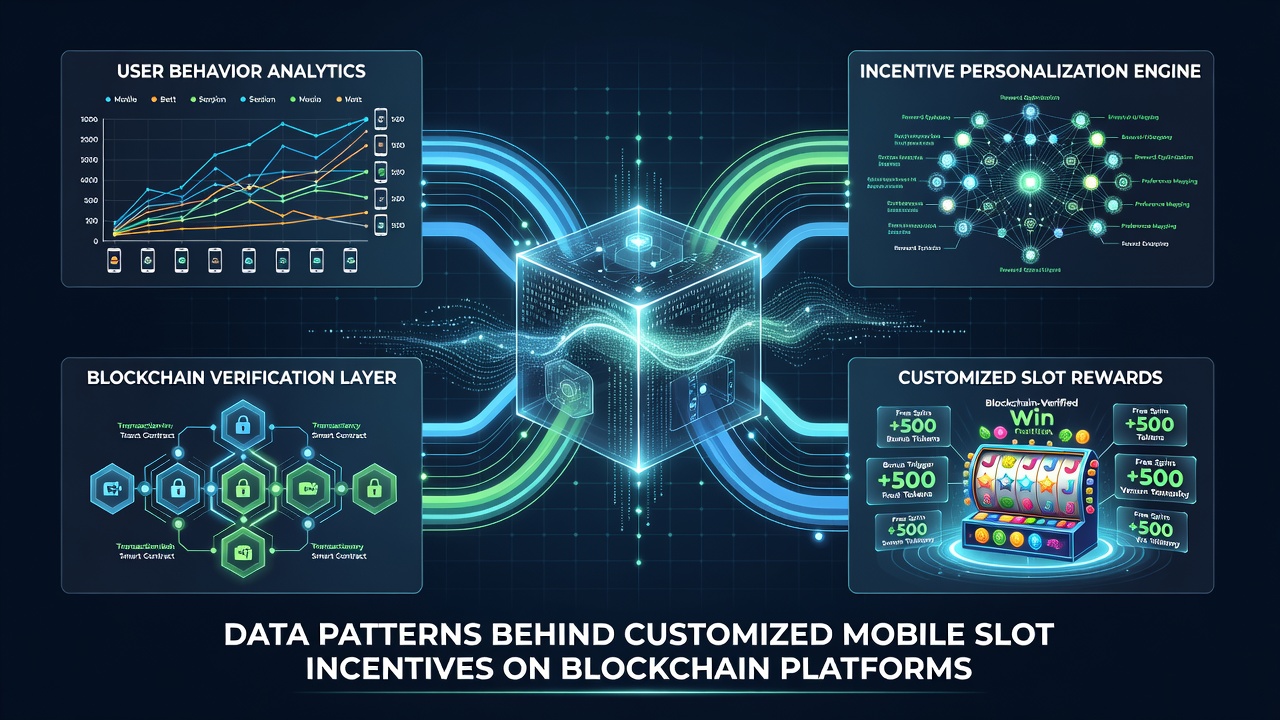
What's notable is how geographic clustering appears in the data, with users accessing platforms from regions showing stronger regulatory oversight exhibiting more conservative customization curves compared with less regulated areas. A study published by the Canadian Centre for Gaming Research examined similar patterns across multiple distributed networks and found that incentive redemption rates stabilize when reward values align closely with documented player loss limits recorded on the ledger.
Role of Smart Contracts in Pattern Execution
Smart contracts execute the final distribution steps once data models identify qualifying patterns, and these contracts reference multiple on-chain metrics before releasing rewards to mobile wallets. Observers tracking contract calls see that conditions often combine total volume wagered with time elapsed since the last reward claim, producing sequences where incentives arrive at intervals designed to maintain engagement momentum. Platforms update the underlying parameters periodically based on network-wide statistics, which means the same player profile may encounter different reward structures from one month to the next as aggregate behavior shifts.
According to reports issued by the Australian Gambling Research Centre, blockchain-enabled systems demonstrate faster iteration cycles in reward customization than traditional centralized platforms because data remains continuously available for analysis without intermediary processing delays. This accessibility allows models to incorporate new variables such as cross-wallet transfers or NFT-based loyalty markers when determining incentive levels for individual mobile sessions.
Integration of Player Segmentation Models
Segmentation relies on unsupervised learning techniques applied to transaction graphs, where clusters form around shared behaviors like consistent use of specific slot volatility settings or repeated claims of smaller rewards versus infrequent large claims. Those examining the output note that mobile users falling into high-frequency low-volatility segments receive incentives emphasizing extended play duration, while high-volatility segments encounter offers focused on larger but less frequent bonus rounds. Data patterns further indicate that blockchain timestamps help distinguish between organic activity and coordinated multi-account usage, allowing platforms to refine segmentation boundaries accordingly.
One analysis conducted by European academic researchers highlighted how these segmentation models reduce variance in player lifetime value calculations when applied consistently across networks. The models integrate external market data such as token price fluctuations recorded on public exchanges, adjusting incentive generosity when overall market conditions create higher or lower engagement baselines.
Conclusion
Transaction records on blockchain platforms continue to supply the raw material for increasingly refined customization of mobile slot incentives, and the patterns emerging from these records show consistent relationships between deposit timing, session duration, and reward activation thresholds. As networks accumulate additional blocks of data through late 2026 and beyond, the precision of these algorithmic adjustments is expected to improve further, supported by ongoing research from institutions across multiple regions.